Showing posts with label Android. Show all posts

Tuesday, December 24, 2013

YotaPhone review

Yota Devices has announced that the YotaPhone is now on sale, offering the best of both - but we don't mean Hovis. Instead, meet the device that brings the smartphone and eBook reader together.
We first saw the YotaPhone at CES 2013 and our first impressions were that it was a good idea. Now we have had a proper play and we go hands-on with the final device, that's now on sale in various countries around the world.

Design and build

In terms of design, the YotaPhone is sleek, comfortable to hold and a good size for one-handed operation. The E Ink rear display has a soft and warm to touch matt finish, making it pleasant to hold and we quite like it.
From the front of the device, it isn't anything out of the ordinary but when you flip it over you get the camera lens and YotaPhone logo with the E Ink display, which we liked the design of, it looks great.

The YotaPhone changes in width from the top to the bottom, which actually makes for a good feature and offers something a little different to what is currently available on other devices.
The build of the YotaPhone itself feels solid and we don't suspect you will be disappointed with what you get for your money with this device. It measures 133.6 x 67 x 9.99mm and carries a weight of 146g, which feels light enough but certainly not cheap.
Alongside the dual displays, you'll feel like you have a premium device in your hand and the design is something the company should be proud of.

Displays

The main feature of the YotaPhone is its dual screens and we were impressed with the 4.3-inch E Ink display on the rear. It gives you what you would expect it to and everything from Twitter to a map is clear in the grey scale image presented. The rear display offers a 360 x 640 resolution, which doesn't provide an exceptionally sharp image, but the detail on maps is pretty clear, better when zoomed in, and reading is easy. E Ink is known for great contrast and that's what you get here.
When it comes to the front display, the YotaPhone has a 4.3-inch 1280 x 720 pixel LCD screen. That puts it in the middle of the park for current Android devices, but at 341ppi, it's sharp enough. The colours were bright and the image looked good, but we weren’t hugely impressed with the viewing angles.
YotaPhone
The whites weren't particularly white, and when we placed it alongside the Moto G, the latest Motorola handset came out on top. We really like the idea of being able to customise the E Ink display, whether it be adding a picture to have as your wallpaper, or including certain widgets such as time, date and weather.
It is relatively simple to do, despite the handset we played with being in Russian, and if you have a certain image you want on your main display, you can have it on your rear display too, which is a nice touch.
Both displays can function simultaneously and they both come with gesture control panels for dual control.

Performance

Running on the Android 4.2.2 operating system and a 1.7GHz Qualcomm Snapdragon S4 processor, the YotaPhone is slightly behind the majority of premium smartphones in terms of numbers on the spec sheet.
When it comes to the operating of the device, Yota Devices has gone for its own gesture-based system with four main commands rather than the standard three-button keys on the majority of Android smartphones.

The gestures include a right-to-left swipe to return home and a two-finger swipe from the top to the bottom of the main LCD to send the screen image or app to the E Ink screen on the rear, both of which we struggled with from time-to-time for a speedy response. Things seemed a little sluggish.
Moving between pages when reading on the E Ink display wasn't quite as seamless as we hoped for either, but it could just be something that takes some practice. It's worth bearing in mind we were comparing it to our experience of reading with Kindle, where page turning is much easier and faster in comparison although with time, this might be different.
However, we found the device was smooth and quick to react for every day tasks such as switching between apps and opening different features, as well as switching between the displays, which is done in the top right-hand corner.

Camera

We didn't have a great deal of time to play with the 12-megapixel rear-facing camera but from the short period we did have with it, the YotaPhone seemed to provide some decent shots.
YotaPhone
When we snapped an image, the final result appeared on the E Ink display, showing those we had taken the picture of what they looked like in black and white. We didn't expect it and it's a good touch.
Although we didn't have a chance to get a selfie in, the front camera is only 1-megapixel which is slightly less than most other smartphones available, so it might not be such a good performer: something we'll examine in more detail when we bring you a full review.

Battery life and memory

The YotaPhone has an 1800mAh battery under its hood, along with 32GB storage. There is no microSD slot for further storage expansion but when it comes to battery life, Yota Devices claims this handset will have seven to ten times the battery life of other smartphones in reading mode. That comes down to the display technology being used here, as E Ink is very sparing with power consumption.
Naturally we weren't able to test the battery in the time we had with the device but we love the idea that you can have an address, map or other information on the E Ink display even when the phone has run out of juice.

Built in apps

The YotaPhone comes with a number of built-in apps such as a real-time calendar, Bookmate for reading and MapsWithMe to feature on the E-Ink display.
However standard apps are also compatible and social media networks such as Facebook and Twitter can be mirrored on the lower-power consumption screen to update in real time so you'll always know what is going on.
There is one slight problem if you are an avid Kindle or Barnes & Noble fan, in that the respective apps don't have the right-hand corner functionality built-in and therefore you won't be able to read your books from these apps on the E Ink display, only the main LCD display. This is a shame but Yota Device's CEO, Vlad Martynov, did say it could be something that is available on its second generation of YotaPhone, due to come out in the later part of next year.

Conclusion

CEO Martynov concluded the launch of the YotaPhone with the statement "we truly believe smartphones will never be the same after the YotaPhone launch" and in fairness it has at least put a different perspective on things. It is set to be priced around €499, heading towards the premium end of the Android market and you get quite a lot of smartphone for your money.

We really love the design of the YotaPhone and we think the idea of E Ink screen is great, especially as you can have a piece of information like a map or address when your battery has died. Yota Devices have patents for software allowing you to switch between the displays and the design itself, so it might be a while before another device like this is released.
The gestures could take a while to get used to, and while we found them a little slow at times, it might be a different matter after a little practice. With no Kindle app support as yet, it could be worth waiting to see what the next generation YotaPhone brings. But if you can't wait that long and fancy a smartphone that is a little different, then it's worth giving this device a go, but bear in mind there's strong competition on all sides, with higher spec models at the same price, or very capable models that are more affordable. The real sell here is that second screen and how well you can put it to use.

Samsung Galaxy S5: launch point to early 2014

samsung galaxy s5 concept specs

Samsung’s much-hyped Galaxy S5 could be launched as soon as February, if a new report from the tech giant’s native Korea is to be believed.
 Samsung is looking to unleash the device ahead of the first anniversary of the Galaxy S4, which falls next April. Recent rumours have suggested that slow sales of that handset may have caused Sammy to bring forward plans for its new flagship.
Interestingly, the report serves up some juicy new morsels about the phone. Word is it’ll come in two variants: One a metal-chassis packing effort with a flexible screen; the other a plastic model with a regular display.
Specs-wise, both phones will come loaded with a blisteringly fast octa-core processor, Android 4.4 KitKat, 3GB of RAM and a 5-inch display. The same report claims that Samsung could launch the sequel to its Galaxy Gear smart watch at the same time.
A designer at the site has worked up a concept phone packing the flexible screen technology that’s been earmarked for Samsung phones for what feels like ages. But which has been omitted so far, presumably because it’s not market-ready yet.
The 5.3-inch flexible OLED YOUM screen wraps around the edges of the phone, with touch-sensitive controls where you’d normally expect to find a physical volume rocker. The standard physical home button has gone the way of all flesh too and is replaced by a touch sensor.
samsung galaxy s5 concept 2
Interestingly given the rash of criticism Samsung copped for the Galaxy S3 and S4's 'cheap-feeling' plastic construction, the creator of the concept imagines the S5 packing a lavish unibody aluminium build, which is waterproof and dustproof.
That’s something that’s not totally out of the question in the light of Samsung’s attempt to give the recently launched Note 3 a more premium feel by incorporating a leather back panel. It's also consistent with rumours that metal casings were considered for the S4, before being rejected due to manufacturing issues.
And of course because this is strictly in the realms of fantasy, this handset's spec sheet is wonderfully lavish. Think: 16-megapixel camera with Carl Zeiss optics, a 2GHz Exynos 5 OctaCore processor and Android 4.4 Kit Kat out of the box.
Not enough for you? It's also home to quad-surround speakers, wireless charging and a 3,200mAh Li-ion battery that delivers “50% more battery life than the current Galaxy S4”. With smartphones’ disappointing longevity remaining the industry’s dirty little secret, the latter is something that we'd welcome.
For what it's worth, we really like the design. Not least because it deviates from the big-black-slab school of phone design that's all-too dominant right now. 
Production of the Galaxy S5 will apparently ramp up at the start of the New Year, with a potential release at or around Mobile World Congress, held in Barcelona next February.

Samsung’s next flagship - Galaxy S5

Samsung’s next flagship, the Galaxy S5, is expected to break cover early next year. It was earlier believed to follow the same time line as its predecessor, most likely unveiling around April or May of 2014. Word around the web is that the handset will in fact be released sooner than earlier anticipated. Starting from March and April, its expected release date has crawled even closer - rumour has it that the phone will be unveiled as early as January 2014. If not at the CES in January, we might just see the device at the MWC due to be held in Barcelona in February. Even if Samsung does opt for a standalone event to launch its next smartphone, the Galaxy S5 should ideally be out by Q1 2014.

Build Quality

The Galaxy S5 is said to boast of a premium metal casing and a durability that is made possible with its waterproof coating. In fact, Samsung is apparently prepping its handset with either an aluminum chassis or a carbon fiber one. Either ways, we are hopeful of seeing a Samsung flagship that is not plasticy looking.
Given the way it has designed the Galaxy Note 3, Samsung may give the Galaxy S5 straighter lines and smaller curves as well, complete with ultra thin bezels and a thin body. In fact, Samsung might be giving its next flagship a design over haul, doing away with the now dated curved edges of the Galaxy S3 and the Galaxy S4 (and every other Samsung device that has followed them). The Galaxy S5 might come with a squarer, less rounded form factor that's even sleeker than before. Combined with its rumoured metal frame, the new design should give the handset a premium, sophisticated feel.
Operating System
The phone will most likely run the latest build of the Android operating system at its launch. Of course, it is expected to pack in a host of Samsung’s own add-ons as well, including it gesture and voice activated controls. Word around the web is that Samsung might build the Galaxy S5 with the Tizen operating system as well but given that the platform is still in the nascent stages of development for commercial use, we don't think this is very likely.
Processor and RAM
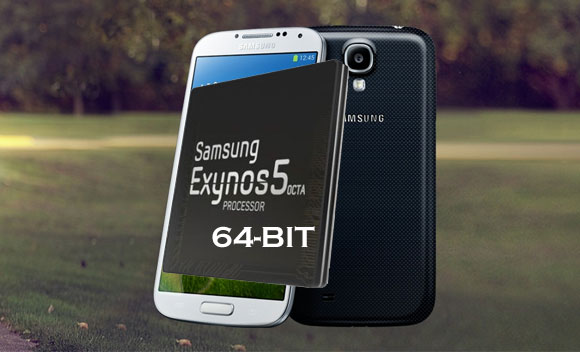
The power behind the flagship is said to be a 64-bit processor. As Trusted Reviewsquotes Samsung stating, the phone, though ulta modern, will not sport an integrated fingerprint scanner. Though earlier leaks suggested that Samsung was giving the Galaxy S5 a 3 GB RAM, new rumours point at a larger 4 GB RAM. Given that the handset's 64-bit processor can handle bigger RAMs without breaking a sweat, a 4 GB RAM of the Galaxy S5 is a very real possibility. The entire updated architecture is sure to take the smartphone to new heights of efficiency and speed. The handset is expected to be slimmer than before and offer better power management and an extended battery life as well.

Camera

The camera set-up on the device is said to include a 16-megapixel primary sensor. The phone should ideally come with a well developed front facing sensor too. There have been conflicting reports about whether or not the handset will pack in the functionality of OIS. Earlier rumours did point at OIS technology being present on the handset but new leaks suggest otherwise. In the day and age of sophisticated 41 and 20-megapixel sensors, it would make sense for Samsung to give its flagship a feature like OIS - it would want to stay on top in every aspect of the game, surely. AsTechradar suggests, the phone will at least pack in Samsung's new CMOS image sensor ISOCELL, making for some rich, detailed imagery.

Storage

Samsung is known for its storage generosity and it is unlikely to change its memory options on its new device. We are very likely to see the new flagship retail in variants of 16, 32 and 64 GB of internal memory, each with the ability to expand the same externally by another 64 GB. 

Price

Since it will sport a premium build and a metal casing, word around the tech world is that Samsung’s next flagship will be priced at a print point that’s higher than its predecessors. Early estimates suggest a figure close to or higher than $650. 

Top 10 upcoming handsets in 2014

1. Samsung Galaxy S5: Samsung's next flagship promises to take smartphoning to new heights with its new-age features. Believed to be powered by a 64-bit processor, it is said to house an architecture of 16 cores and a RAM of 3/4 GB. Other rumoured goodies on the phone include a 32 multitouch screen, a water proof casing, wireless charging and an eye scanning sensor.
Samsung is expected to finally do away with its plasticy form factor and give the Galaxy S5 a carbon fiber or an aluminum casing. Powered by Android's latest operating system, the flagship is speculated to be equipped with a 16-megapixel primary camera, complete with OIS.
2. Apple iPhone 6: Apple is rumoured to unveil its next iPhone earlier than usual next year. If all those leaks are to be believed, the iPhone 6 might break cover as early as May of 2014. Leaving its 64-bit processor and its Touch ID unchanged, Apple is expected to give its new handset a bigger screen and possibly even a curved display, along with a larger RAM. Storage options are said to remain the same on the new flagship, which will of course carry the next iOS build out of the box.
Like the Galaxy S5, gaze detection technology on the iPhone 6 is believed to make the handset more power efficient than before. Rumour has it that Apple may finally go in for a Full HD display on its next flagship, as well as up its cores to four and its camera to a 12 or a 13-megapixel one.
3. HTC M8: HTC is hoping to catch up in the smartphone race in a big way with its next flagship, codenamed M8. The handset reportedly boasts of a premium build quality with its slim wraparound metal body. The 5-inch smartphone supposedly packs in a 2K resolution of 2048 × 1080 pixels. A Qualcomm Snapdragon 2.2 GHz 800 processor and a 3 GB RAM apparently power the device along with Android 4.4 KitKat and Sense 6.0. The handset most certainly houses an Ultra Pixel camera and rumour has it that it even sports the ability to take 3D snapshots. Of course, the phone comes with a fingerprint sensor as well.
4. Sony Xperia Z2 Avatar: Sony is all set to lead the smartphone market with its display and its camera technologies. Taking on from where the well endowed Xperia Z1 left off, the Xperia Z2 Avatar supposedly runs on a 3 GB RAM, Android 4.4 KitKat and a Qualcomm quad-core Snapdragon 800 chipset. The handset is expected to sport a resolution of a whooping 506ppi while its 20.7-megapixel primary camera reportedly comes equipped with a Xenon flash. As with some of Sony's other handsets, the Xperia Z2 is most likely to pack in water and dust resistance along with a premium build quality.
5. Nokia Lumia 1820: Nokia is rumoured to give its new imaging flagship a metal unibody design and a Lytro-style camera that allows users to change the focus after they have clicked a photograph. The Lumia 1820 is powered by Windows Phone 8.1 and is believed to come with Microsoft's Siri-like personal assistant Cortana built-in. We expect to see a Full HD display and a powerful processor on the device as well.
6. Sony Xperia Z1s: The Xperia Z1s is reported to carry all that Xperia Z1 goodness in a sleek, compact form. Sony's new Android handset is said to pack in a 4.3-inch HD display with a resolution of 1280 x 720 pixels, a quad-core Qualcomm Snapdragon 800 processor, a 2 GB RAM and an internal storage of 16 GB. Sony has reportedly given its newbie a 20-megapixel Sony Exmor RS rear camera and a 2-megapixel Sony Exmor R front sensor, along with a 2,300 mAh battery.
7. HTC Butterfly 2: HTC is reportedly prepping the successor to the Butterfly with a 5.2-inch Full HD display. Powered by Qualcomm's Snapdragon 800 processor, the handset is believed to be waterproof. Though other details about the handset are as yet unknown, given that the Butterfly was such a formidable device, the Butterfly 2 will be even better equipped than its predecessor as far as specs and features go. Of course, the Android handset will also pack in an Ultra Pixel camera and BoomSound stereo speakers.
8. BlackBerry Z50: BlackBerry is hoping to win a few hearts of its own with its next flagship, the BB Z50 touch phone. The Canadian tech giant is reportedly prepping its newbie for a late 2014 release and has given it a large 5.2-inch screen with a Full HD resolution of 1080 x 1920 pixels. Though not much about the handset is known as yet, it is believed to run on a quad-core processor and will be powered by BlackBerry's newest and most improved operating system at the time of its release.
9. BlackBerry Q30: Those who prefer a QWERTY keypad on their handsets can wait it out for the BB Q30. BlackBerry is expected to release its new QWERTY handset in the latter part of 2014 and give it features like a 2.3 GHz processor, a 4-inch touchscreen display and a 3 GB RAM. Running on BlackBerry's latest operating system, the phone's forte is of course it's easy to type on and use keyboard.
10. Huawei Glory 4: If you are looking out for an inexpensive yet functional Android handset, Huawei's next offering might be just right for you. The Glory 4 reportedly runs on a powerful 'true' octa-core set-up and packs in features like a 4.7-inch HD display, a 1 GB RAM, an 8-megapixel camera and Huawei's Emotion 2.0 UI. Huawei's new handset is rumoured to offer users a pretty functional mid-range smartphoning experience under $150, approximately Rs. 9,300.

Sunday, December 8, 2013

Motorola Moto G US Version now in India

The Motorola Moto G may probably hit the Indian markets in Jan 2014, but if you cannot wait you can buy the Moto G from ebay.in. The online store has the ‘G’ listed – 8GB version for Rs. 15,990 and the 16GB version for Rs. 17,990.
The Moto G handset will be shipped from United States, it supports Global GSM i.e. any GSM SIM card will work. Shipping is free but it could take few days to weeks to get the handset delivered in India. After sales support could be an issue in case the device has some problems. Shipping is free, so in all you pay Rs. 15,990 and Rs. 17,990 depending on storage options.
The Motorola G runs on Android 4.3 with 8GB /16GB storage options. There is 1GB on-board RAM. This handset is powered by 1.2GHz quad core processor (Qualcomm Snapdragon 400) with Adreno 305 GPU. Screen is 4.5 inches with HD resolution (1280x720p). Other features are 3G, Wi-Fi, Bluetooth 4 and GPS. This is single SIM handset and also includes a 1.3MP front camera and 5MP rear camera with LED flash. Battery is 2070 mAh capacity.
Motorola Moto G on ebay.in
The Moto G is yet to make its way into the Indian Markets but is available on ebay.in. For the price it surely will give tough competition to budget quad core handsets that are already quite popular.

Huawei Ascend P6S with Octa Core unveiled

Huawei will soon launch Huawei Ascend P6S and upgraded version of Ascend P6. The Ascend P6S will come powered by Octa Core chipset and will run on the latest Android 4.4 OS.
Huawei president Xu Xin Quan did confirm the Ascend P6S via Weibo, however the exact specifications and the pricing details has not yet been disclosed. All that we know is that it will be with true Octa Core chipset.
Reference to True Octa Core (8 core) could probably point out at the MediaTek MT6592 chipset. In fact this is the latest hot stuff that many manufactures are looking forward to. We are not sure if and when the Huawei Ascend P6S will be available in India and its price tag.
Huawei Ascend P6S an upgraded Huawei Ascend P6
For now Intex has already announced its plan to launch their Octa core handset in India. It is a matter of few weeks / month and if you are planning to buy a new smartphone and ready to spend over Rs. 18,000 it would be wise to wait for the 8 core smartphones.

Intex i17 6 inch Phablet with MT6592 octa core processor launched

A few days back Intex had revealed that they will soon launch an octa core device.  In fact yesterday they did launch the Intex i17 model with  a 6 inch HD screen and powered by MediaTek octa core chipset.
The Intex i17 will be priced at under Rs. 20,000 – looks quite tempting. This Phablet comes loaded with 1.7GHz Octa core MT6592 chispet with Mali 450 MP4 GPU clocked at 700MHz. The IPS touchscreen is 6 inches supporting resolution of 1280×720 pixels.
There is 13MP rear auto focus camera with full HD recording and LED flash support. A front camera of 5MP can be used for self shot or video chats. The handset is pretty slim with a 7mm thickness. Android 4.2 runs the show with 2GB RAM and 16GB / 32GB optional storage. Other features are 3G, Wi-Fi (b/g/n), Bluetooth, dual Yamaha speakers and GPS.
Intex octa core prototyope launched
A 2300 mAh battery should get the handset going for a full day with moderate usage. The Intex i17 will hit the stores next year in Jan 2014. Price will be under Rs. 20,000 for the 16GB version.

Monday, December 2, 2013

Upcoming new Samsung galaxy S5 flagship features


The report suggests that Samsung is done with the most complex tasks of the development process and is now dealing with technicalities and logistics. The Korean ittoday.co.kr hasn't specified if the chip is already undergoing sampling, but that should start soon if it hasn't already.

The upcoming flagship is said to feature a next-gen Exynos 6 CPU with 14nm architecture and 64-bit support. Alongside it, the next generation Samsung Exynos CPU is said to feature ARM's big.LITTLE octa-core configuration with Cortex-A53/A57 cores. All eight cores will reportedly be able to operate simultaneously using half as much power as the currently available Exynos 5420.

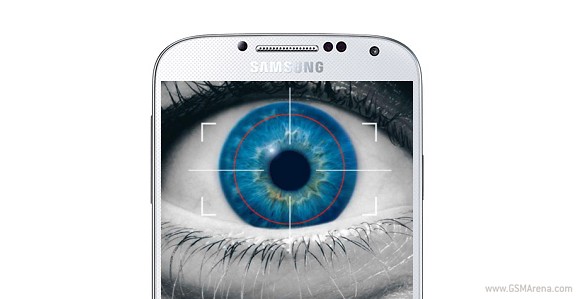
Reportedly, the next generation of the popular smartphone will come with and eye-scanning sensor.
The abovementioned feature will give users the opportunity to unlock their smartphone with their eyes. Samsung is allegedly already hard at work on the high-security bit of tech, though there’s no word on how it is going to work.
The Samsung Galaxy S5, as it's widely expected to be called, will be mass-produced from January onwards, according to Korean site ETNews. The site quotes "industry sources" as saying the new phone will be launched and begin shipping to customers in either February or March, running Android 4.4 KitKat. It will also apparently be launched alongside the Samsung Galaxy Gear 2 smart watch.
While it's almost inevitable that Samsung will bring out a successor to the Galaxy S4 some time next year, it has only been 10 months since that phone's launch. There was a similar 10-month gap between the launch of the Galaxy S III and the S4; Samsung has had another big-name launch since the S4, though, in the Galaxy Note 3.
Whenever Samsung's next Galaxy smartphone is launched, you can expect a swathe of innovative but largely superfluous features, like those that defined the Galaxy S4. The Galaxy S5 might also get the same curved OLED screen as the Galaxy Round.
ETNews' report also suggests the Galaxy S5 will have a 4000mAh battery, a 64-bit processor, 3GB of RAM and a 560ppi screen. Samsung will have to make some astonishing technical leaps to make all of these rumours come true in a 5-inch smartphone; the Galaxy S4, for example, only packed a 2600mAh battery, while the 5.7-inch Note 3 only saw a capacity increase to 3200mAh.

Thursday, January 10, 2013

Pebble smartwatch

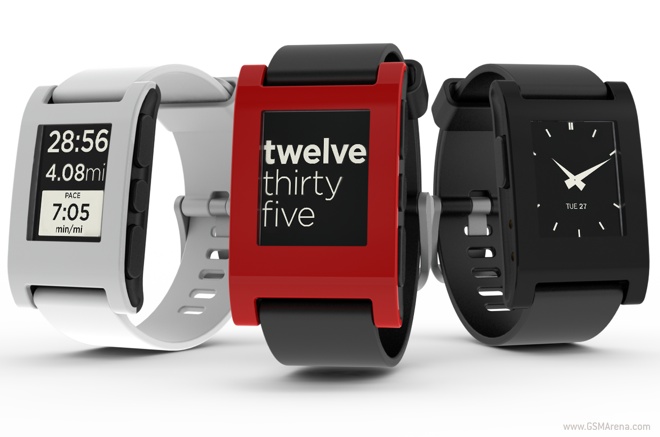
You may already be acquainted with the Pebble smartwatch. One of the best and most successful ideas to have come out of Kickstarter, the watch was an instant hit with a lot of smartphone owners for being able to pair with your phone and display important information on its e-paper display.
Now, after some delays, the watch is finally ready and will be shipping out to the Kickstarter backers starting January 23.
In case you don’t know much about the Pebble, it is a Bluetooth-based smartwatch that pairs with your smartphone and shows messages and calls directly on its screen as they arrive. It even lets you control the music playback on your phone without you having to take it out of your pocket. The watch can also interact with any third-party app you may have on your smartphone, if the app allows this functionality.
The Pebble has an e-paper display which saves power compared to an LCD and has a backlight for seeing it in the dark. It comes with multiple clock faces and you can use the SDK to create more. It has a simple interface that can be accessed from the four buttons on the side and there is a MagSafe-style magnetic charging port as well. The Pebble watch is said to receive regular updates in the future, which will be pushed wirelessly to it through the companion app on your iOS or Android smartphone.

Panasonic Toughpad JT-B1 Android tablet

Panasonic is all business and no play at CES this year. The company made a splash with a Windows 8 Pro slate and an ICS-powered 7″ tablet that goes by the name Toughbook JT-B1
Being mobile-loving as we are we decided to have a closer look at the JT-B1 and we’ve got the hands-on below.
As suggested by those official images and the specs sheet the thing is built like a tank and feels every bit as rugged as you would expect from just such a device.
The screen isn’t anything special, though, and we did notice that it’s not as responsive as we would have liked. It could be due to the pre-release status of the units available at the Panasonic booth, but we suspect the extra tough glass protection has something to do with that too.

The Panasonic JT-B1 up front
The whole tablet feels much larger than your typical 7-incher and is very thick, but that’s hardly shocking news. The weight is also pretty badly affected by the added armor, making this one of the hardest to wield 7-inchers.

Archos 97

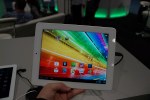
Built around a 9.7" IPS display, pushing an iPad-eqsue resolution of 2048 x 1536 pixels (264 PPI), the Archos 97 Platinum packs a 1.2GHz quad-core processor and 2GB of RAM, which help the slate run Android 4.1 Jelly Bean very decently.
And if the quad-core processor and Retina-like display didn't sound great already, the Archos 97 Platinum is going to retail for the very un-Apple-like $329. Sounds like a great deal indeed.
With such price, however, you have to sacrifice something and in the 97 Platinum's case that's the build quality. The slate doesn't feel too bad in your hands, but the lock/power and volume rocker buttons feel really cheap.
   
The Archos 97 Platinum
There are two 2MP camera at the front and back of the slate. We think Archos could have saved the trouble of placing a main camera at the back and slash the price even further. Built-in storage is quite limited at 8GB, but luckily it's expandable via the microSD slot.

Alcatel One Touch Idol Ultra


Alcatel One Touch Idol Ultra hands-on
Move over RAZR, there is a new ultra-thin Android smartphone entering the stage.  The Alcatel One Touch Idol Ultra measures in at a slim 6.45mm thin (not including the camera hump).

What else do you get with a thin form factor?  Well, we find a 1.2GHz dual-core MediaTek processor which manages Android 4.1 Jelly Bean.  That little hump which protrudes from the thin profile is an 8MP camera.  On the front, is a 1.3MP camera with 720p recording capability and a 4.7-inch HD AMOLED display.

The Idol Ultra has 13.3GB of storage and does not have any microSD support.  This is a quad-band GSM device with HSPA support on 850/1900MHz, which would make it work nicely on AT&T's network, but there was no carrier announcement.  Not only was there no carrier announcement, there was no release date or price point revealed either, such was the trend for all the devices Alcatel had on display at CES 2013.

Alcatel One Touch Scribe X

Alcatel One Touch Scribe X hands-on
The Alcatel One Touch Scribe X is the manufacturer's premium handset, featuring a quad-core processor, HD display and a stylus, just like its Scribe HD cousin.

What separates the Scribe X from the Scribe HD?  The MediaTek CPU has a small bump in specs, measuring at 1.4GHz.  The camera has a bump as well, coming in at 12MP versus the HD's 8MP shooter.  There is a nice sized battery on board at 2,500mAh which should provide adequate power to navigate through the Android 4.1 Jelly Bean which is on board.

The form factor and build quality is apparent when holding the Scribe X.  It joins other high-end Android devices in the 5-inch display realm.  Unfortunately, Alcatel had no dates, prices or carriers to link to this nice looking device.  PhoneArena.com is on the list to get word about any pending release of the Scribe X, or any of the other One Touch smartphones coming from Alcatel.

HTC One SV Review

HTC One SV Review
We have nothing bad to say about the way the earpiece performs. In fact, calls taken with the HTC One SV sound great – loud and natural, without any traces of noise or static. The microphone, however, could have been a bit better than that. On the other side of the line, voices are distinguishable, yet slightly muffled, probably due to the presence of a secondary microphone, which filters a fair amount of the background noise. 

There's a 1,800mAh removable battery powering the HTC One SV, but the maker has not published any official information as to how long it should last on a single charge. That mostly depends on your usage habits, as well as on whether LTE connectivity is being actively used. Judging by what we got out of it during our testing, you should expect it to last at least one single day, as long as you don't push it too much.

Not bad, HTC, not bad. The smarthpone that you've crafted may be a bit rough around the edges, but it is still a very solid Android offering, and the presence of LTE connectivity is, of course, more than welcome. Whoever picks the HTC One SV up will be pleased by the excellent performance driving it and delighted by its outstanding appearance.

Yet let us not forget that the HTC One SV belongs to the mid-range category, although one might assume it is a high-end handset prior to actually using it. In other words, there are some compromises that an One SV owner should learn to live with, among which are the relatively low-res display and the not-so-amazing 5-megapixel camera.

PROS

  • LTE connectivity
  • Slim, light, good-looking smartphone
  • Excellent performance

CONS

  • Camera leaves room for improvement
  • Unimpressive screen resolution of 800 by 480 pixels


ZTE Nubia Z7

ZTE Nubia Z7 rumored with a 6.3-inch screen beyond 1080p, 8-core processor


Ready for a rumor that is as wild as a bobcat? Well, you better have a salt shaker nearby. GizChina reports that ZTE is already working on a new flagship Android smartphone called the Nubia Z7. As a side note, the ZTE Nubia Z5 is currently among the best that the company has to offer, packing a 5-inch 1080p display, 13MP camera, and a quad-core Snapdragon S4 Pro system-on-a-chip. So, what could possibly make the ZTE Nubia Z7 even better? Well, let's start with its sheer size.

According to the sources of today's rumor, the ZTE Nubia Z7 will have a 6.3-inch display with a jaw-dropping resolution of 2560 by 1440 pixels. Only weeks ago, a handset of this size would have seemed ridiculous, but since Huawei already has the 6.1-inch Ascend Mate on display, the existence of a smartphone with a screen a fifth of an inch bigger doesn't seem all that unlikely. But the list of mind-blowing (yet far from confirmed) specs does not end here. It is speculated that ZTE will equip the Nubia Z7 with an 8-core processor running at 1.4GHz. Interestingly, this isn't the first time we hear about the possibility of an 8-core CPU landing inside a ZTE smartphone, so the rumor might be onto something. The tipster also mentions the presence of a Mali-T658 GPU, 16MP camera, 4,000mAh battery, 128GB of storage and LTE radio. Supposedly, the ZTE Nubia Z7 will come running Android 5.0.

All of this seems way too good to be true, so we'll label this rumor as highly dubious. Even if this ZTE Nubia Z7 is real, albeit only on a conceptual level, it would be extremely unlikely for it to materialize anytime soon given the fact that it is supposed to run Android 5.0.